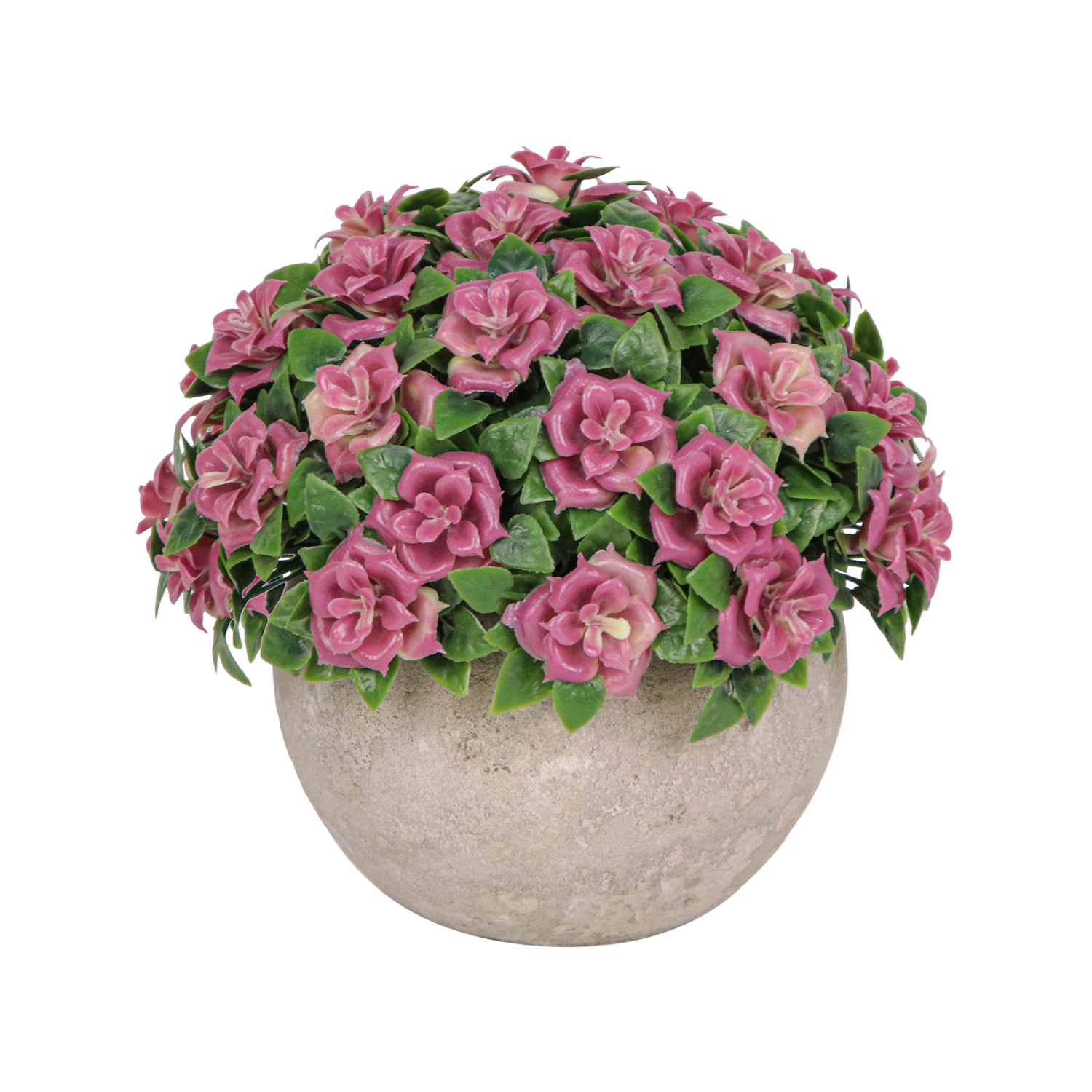
Cypress bonsai trees are beautiful plants that many people love to have in their homes and gardens. They can be real or artificial, and each type has its own special features. Choosing between natural and artificial cypress bonsai can be tough, especially if you're planning a project. Ruopei is here to help you understand the differences and decide what works best for you.
What Are the Key Differences Between Artificial and Natural Options?
When thinking about cypress bonsai, the first thing to know is the big differences between artificial and natural trees. Natural cypress bonsai are real plants that need care. They need sunlight, water, and sometimes special soil. You have to be careful not to over-water them or let them get too dry. Natural bonsai can grow and change over time, which makes them unique. Each one looks a little different because they grow in their own way. Plus, they can smell nice and bring life to a room.
On the other hand, artificial cypress fake bonsai are made from plastic or other materials. They don’t need water, sunlight, or special soil. This makes them easy to take care of. You can put them anywhere without worrying about the light or how much water they need. However, they won’t change or grow like real plants. They always look the same, which can be a downside for some people.
For example, if you have a busy life or travel a lot, an artificial bonsai might be better for you because it won’t die if you forget to water it. But, if you love gardening and want to care for a living thing, a natural bonsai might be the right choice. The look and feel of real plants can also bring a sense of calm and joy that artificial ones can't match.
How to Choose Between Cypress Bonsai Artificial and Natural for Your Wholesale Needs
Choosing between artificial and natural cypress bonsai for your wholesale needs is important. You need to think about who will buy them and where they will be displayed. For stores that want to sell easy-care items, artificial bonsai can be a great fit. They are lightweight and can be shipped easily. Stores can display them anywhere without worrying about sunlight. This can make them a popular choice for busy customers who want beautiful decor without the hassle.
However, if your customers are plant lovers or want something special for their homes, natural cypress bonsai might be the better choice. These customers often enjoy the experience of caring for a plant. They appreciate the beauty of a living bonsai that can change with the seasons. When people buy natural bonsai, they often look for quality and uniqueness, which can make them willing to pay more.
Ruopei can help you decide by providing a range of options. Think about your target customers and what they would like. If you want to offer both types, that could attract a wider audience. You could create displays that showcase the differences. For instance, you might show how a natural bonsai can fit into a home office while an artificial one can brighten up a busy store. By understanding your customers' needs, you can choose the right cypress bonsai that will sell well and make your project successful.
Artificial vs Natural
When it comes to cypress bonsai trees, you have two choices: artificial or natural. Each type has its own special features. Let's start with natural cypress bonsai. These trees are real and come from nature. They are grown in soil, need water, and require sunlight. Many people love natural bonsai because they can change over time. A real bonsai can grow and look different as the seasons change. Plus, caring for a natural bonsai can be a fun hobby. You can learn about plant care, watering, and shaping the tree to make it look beautiful.
On the other hand, artificial cypress bonsai trees are made from materials like plastic or silk. They are designed to look like real trees but don’t need any special care. With artificial bonsai, you don’t have to worry about watering or sunlight, and they won’t die if you forget about them. This makes them perfect for people who have busy lives or those who might not be good at taking care of plants. You can place an artificial bonsai anywhere you like, and it will always look great. However, some people feel that artificial trees lack the charm and beauty of real ones. They might not change or grow, which can make them feel less alive.
In summary, choosing between artificial and natural cypress bonsai depends on what you want. If you enjoy taking care of plants and want something that grows and changes, a natural small potted plant bonsai is a good choice. But if you want something easy and worry-free, an artificial bonsai might be better for you. Ruopei offers both options, so you can find the perfect fit for your project.
Artificial vs Natural Solutions
When deciding between artificial and natural cypress bonsai, it's important to think about what you need. If you're working on a project where you want the beauty of nature but don’t have the time to care for a live plant, an artificial bonsai from Ruopei is a great solution. These trees look very realistic, and you can place them anywhere. Whether it’s in your home, office, or classroom, they add a touch of nature without the upkeep. Plus, they are not affected by weather changes, so you can enjoy their beauty all year round.
In contrast, if your project is about learning and experiencing nature, a natural cypress bonsai is the way to go. Taking care of a real tree can teach you many things, like patience and responsibility. You get to watch it grow and change, which can be very rewarding. Ruopei’s natural bonsai offers you the chance to connect with nature and learn how to nurture a living plant. This can be especially fun for kids and anyone who loves gardening.
Both options have their benefits, and your choice should match your project’s needs. If you need something that looks good but doesn’t need care, go for an artificial bonsai. If you want to learn and grow with a plant, choose a natural one. Ruopei provides both types, ensuring you can find exactly what you need for your project.
A Comparison of Artificial and Natural Sources
Now let’s compare artificial and natural cypress bonsai in more detail. First, think about appearance. Natural bonsai trees have unique shapes and colors. Each one is different because they grow in various conditions. This means that your natural bonsai will have its own personality. On the other hand, artificial bonsai trees are made to look perfect. They might not have the same charm as a real one, but they can still look very nice and fit well in any space.
Next, consider the care needed for each type. Natural cypress bonsai needs regular watering, sunlight, and attention. If you forget to water it, the tree can get sick and might not survive. This can be a challenge, especially for busy people. Conversely, artificial bonsai requires no care at all. You can simply dust it off now and then, and it will always look good. This makes it a great choice for people who want beauty without effort.
Another point to consider is cost. Natural bonsai trees can sometimes be more expensive because they require special care and time to grow. In contrast, artificial bonsai trees are often less expensive and can last for many years without any care. You can save money in the long run by choosing artificial options from Ruopei.
Finally, think about the environment. Natural high-realism artificial plants bonsai trees can improve air quality and give you a sense of peace. They connect you with nature. However, artificial bonsai trees can also be a good choice if you want to enjoy a plant without the environmental impact of over-watering or using fertilizers.
both artificial and natural cypress bonsai have their strengths and weaknesses. Whether you choose one or the other, Ruopei has the right bonsai for your needs.