Artificial Greenery vs Living Green Walls: Cost & Maintenance Comparison
Dec 28,2025
Upfront Investment: Comparing Initial Costs of Artificial Greenery and Living Green Walls
Material, Design, and Installation Costs for Artificial Greenery
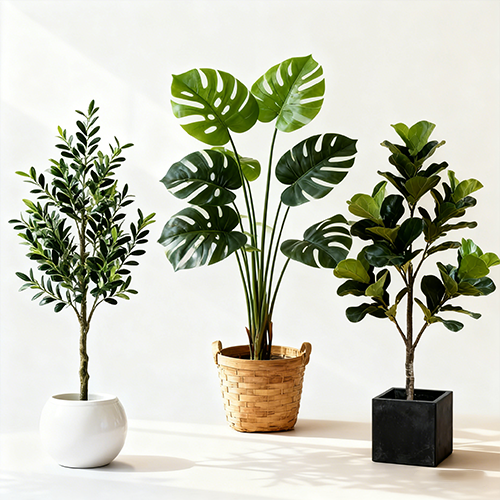
When it comes to greenery systems, artificial options generally cost less upfront than their living counterparts. The main expenses are things like UV resistant fake leaves, those modular panel setups, and the lightweight frames that hold everything together. Design prices can swing quite a bit depending on how fancy the look is. Custom plant replicas will definitely set customers back more money, whereas standard designs tend to be much friendlier on the wallet. Installing these systems usually involves mounting them directly onto surfaces without needing any special tools, which means most installations wrap up within just a few days. Quality artificial greenery typically runs between $50 to $75 per square foot when installed, and this approach cuts down on the need for extra structural support that living walls would require. Many businesses find this makes financial sense for spaces where real plants wouldn't survive anyway.
Living Green Wall System Requirements: Structural, Irrigation, and Horticultural Setup
Putting up living green walls really requires quite an investment in infrastructure. Just reinforcing the walls themselves can set someone back anywhere from fifteen to thirty dollars per square foot, since these structures need to hold all that wet soil weight. When fully watered, we're talking about over a hundred pounds per square foot hanging there! Then there's the irrigation system which typically adds another twenty to forty bucks per square foot for things like pumps, proper drainage layers, and those fancy automated controls everyone wants nowadays. The plants themselves aren't cheap either. The growing medium alone costs around ten to fifteen dollars per square foot, plus eight to twelve dollars for each individual plant depending on what kind of climate they're suited for. Don't forget about those root barriers that keep everything contained. All told, most installations come out somewhere between one hundred and two hundred dollars per square foot, and that doesn't even include the extra costs for specialized workers or retrofitting existing buildings for proper water access.
Ongoing Maintenance Realities: Labor, Resources, and Operational Consistency
Artificial Greenery Maintenance: Cleaning Protocols, UV Degradation, and Lifespan Management
Keeping fake plants looking good requires some regular attention mainly around keeping them clean and protecting the materials. Most people find that doing a monthly cleanup works best either with a vacuum or just wiping down the leaves helps stop dust buildup which matters a lot in places like hospitals or hotels where allergies are a concern. The biggest problem for appearance tends to be sunlight exposure. Without special treatment, most artificial foliage starts fading pretty quickly after about two to three years if left in direct sun. There are better quality options available that resist fading longer lasting five to seven years but they come at a price premium usually 15 to 20 percent higher than standard products. Although these systems don't need watering or feeding, there will still be times when small repairs are needed or panels have to be replaced as the plastic components get brittle with age.
Living Green Wall Care: Daily Irrigation, Seasonal Pruning, Pest Mitigation, and Plant Replacement
Maintaining living walls takes ongoing resources that most people don't realize. The automated watering systems typically use around half to one gallon of water per square foot every day, which means checking those nozzles at least once a month to ensure all plants get their fair share. Garden work definitely fluctuates throughout the year. Spring brings lots of pruning to keep things from getting too wild, whereas winter requires extra attention to protect against freezing temperatures. For pests, we follow integrated pest management practices, doing regular checks each week and applying natural solutions whenever possible instead of resorting to chemicals that might run off into surrounding areas. About ten to fifteen percent of plants die off annually in these vertical gardens, so having someone knowledgeable about different plant species becomes essential for proper replacements. While this level of maintenance sounds intense compared to fake wall options, there's real value in the benefits they provide. Studies have shown these green walls can cut volatile organic compounds by as much as thirty percent according to tests meeting EPA standards.
Total Cost of Ownership Over Time: A 5-Year Lifecycle Analysis
Annualized Cost per Square Foot: Artificial Greenery vs Living Systems
Over a 5-year period, artificial greenery averages $8–$12 per sq. ft. annually–covering cleaning, UV-protective treatments, and minor repairs. Living green walls cost $20–$35 per sq. ft. yearly due to irrigation, fertilization, pruning labor, and plant replacement. Initial savings with artificial options diminish over time as material degradation accelerates:
| Year | Artificial ($/sq. ft.) | Living ($/sq. ft.) |
|---|---|---|
| 1 | 6–9 | 30–40 |
| 3 | 8–11 | 22–32 |
| 5 | 10–14 | 18–28 |
Note: Living systems trend downward as plants mature and replacement frequency declines.
Risk-Adjusted Value: When Artificial Greenery Introduces Hidden Liabilities
While artificial options offer predictable expenses, they accumulate hidden liabilities:
- Dust retention requires quarterly deep cleaning ($4–$7/sq. ft./year)
- Aesthetic fatigue drives redesign cycles every 3–5 years
- Limited UV resistance leads to fading, demanding full or partial replacement
Living walls mitigate these risks through natural air purification and evolving aesthetics–but introduce horticultural variables like pest outbreaks, which can add 10–15% to annual operating costs. Budget-conscious projects often favor artificial solutions for stability, while design-centric or wellness-oriented spaces absorb living walls’ variability for verified biophilic impact.
Decision Framework: Matching Your Project Goals to the Right Green Solution
When deciding between fake plants and real living walls, it really comes down to what matters most for the project at hand. Let's look at a few key factors first. Money is always a big one. Fake greenery typically costs less upfront but doesn't change over time. Real living walls might cost more initially but can pay off in the long run by improving indoor air quality and making people feel better in their environment. Then there's maintenance. Living walls need someone who knows plants, regular watering, light checks, maybe even pruning from time to time. Artificial stuff just needs dusting now and then and protection from direct sunlight. For looks, fake plants stay exactly the same throughout the year. But living walls grow and change with seasons, creating different visual effects as leaves come and go. Sustainability is another angle worth considering. Real walls naturally clean the air, help regulate temperature, and create habitats for small insects. Some good quality artificial options these days actually use recycled materials and are made without harmful chemicals too.
When installing greenery quickly in busy spots like shopping centers or international terminals, fake plants cause less trouble during operations. On the flip side, places focused on well being such as medical centers or retirement homes tend to get real benefits from living walls even though they need more maintenance. For buildings aiming at LEED points, it makes sense to compare what living walls contribute ecologically stormwater management and creating habitats against the hidden costs of manufactured alternatives when they're made and eventually thrown away. Looking at how businesses have updated their spaces shows about seven out of ten prefer artificial options because costs stay predictable. Meanwhile newer buildings chasing green certifications are starting to mix things up combining real plants where people actually see them with long lasting artificial frames overhead. This approach helps achieve good looks, practical function, and environmental goals all while keeping budgets intact.