Top 5 Spiral Topiary Trees for Stunning Entrances
Apr 09,2026
Why a Spiral Topiary Tree for Garden Entrance Elevates Curb Appeal
A garden entrance featuring a spiral topiary tree creates instant visual intrigue, signaling meticulous care to visitors. Studies reveal that tailored landscapes increase perceived home value by 7% (National Association of Realtors), while symmetrical designs trigger psychological responses associated with harmony and sophistication (University of Washington, 2023). The spiral form’s geometric precision contrasts organically with natural surroundings, establishing an intentional focal point that guides the eye.
The Psychology of First Impressions
This sculptural element transcends mere decoration—it conveys status and intentionality. Unlike hedges or shrubs, its verticality frames entryways with architectural gravitas, creating layered depth. When paired with lighting or complementary plantings, the spiral silhouette enhances nocturnal visibility and seasonal interest.
Strategic Value Beyond Aesthetics
Properties incorporating such statement pieces often sell faster, as the investment reflects broader maintenance standards. For homeowners, it’s a living investment: a well-maintained spiral topiary tree appreciates alongside the landscape, merging artistry with practicality.
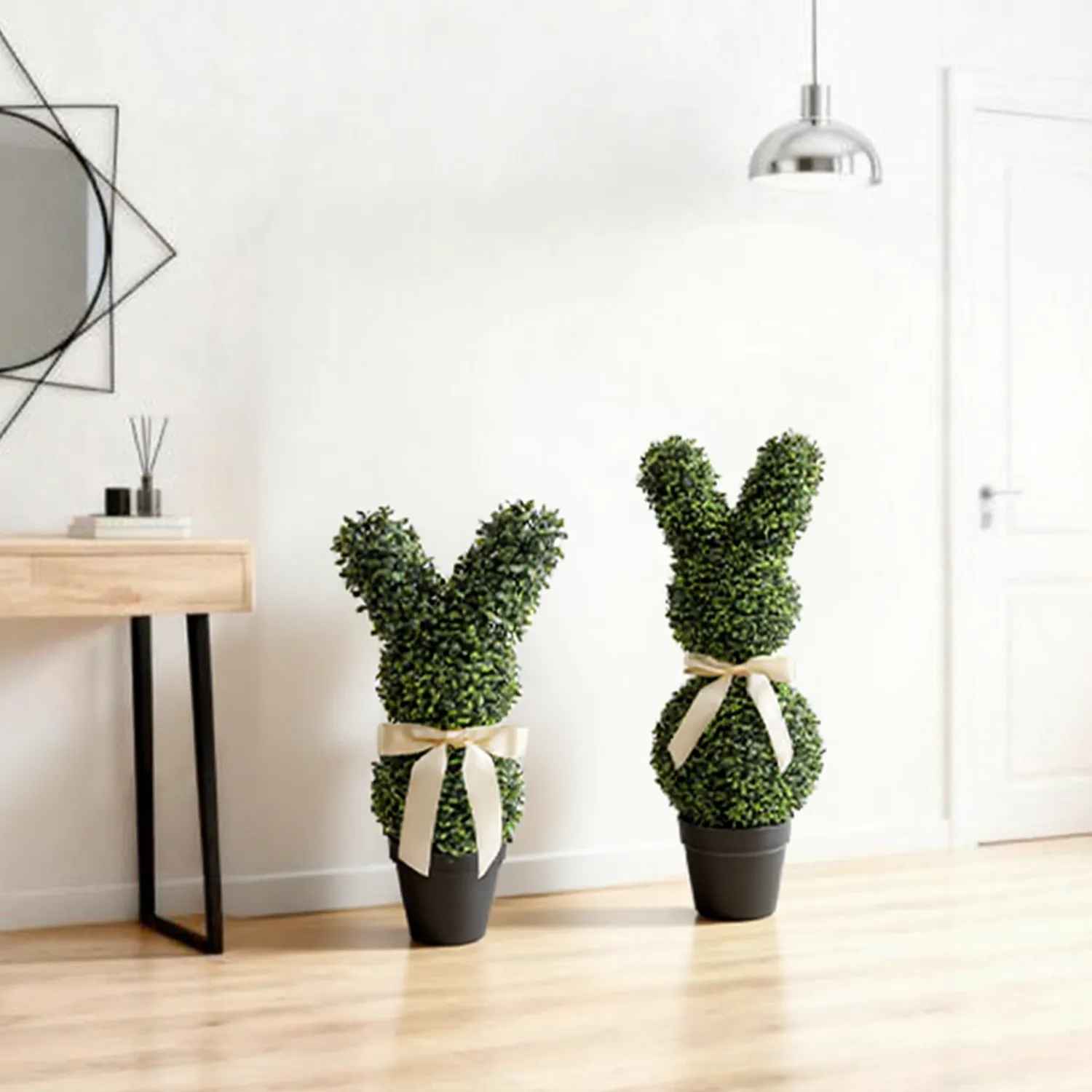
Top 5 Spiral Topiary Trees for Garden Entrance Impact
Boxwood: Tight-form classic for refined entrance symmetry
Boxwood (Buxus sempervirens) delivers timeless elegance for formal garden entries. Its dense foliage holds sharp spiral shapes exceptionally well, requiring bi-annual pruning. Thriving in USDA zones 5–9, this slow-grower (6–12 inches annually) maintains symmetry for decades. Ideal for flanking doorways or pathways, its evergreen structure provides year-round sophistication—and its resilience to heavy shaping makes it a top choice for geometric precision in high-visibility entrance designs.
Yew: Slow-growing evergreen ideal for long-term entrance structure
English yew (Taxus baccata) offers unmatched longevity for permanent entrance statements. Growing just 6–9 inches yearly, it develops exceptionally dense wood that supports intricate spirals. Hardy in zones 5–7, yew tolerates deep shade where other evergreens struggle. Its rich green needles create striking silhouettes against light walls. While establishment takes patience, mature specimens become architectural heirlooms requiring only annual maintenance. Positioned as sentinels, yew topiaries anchor entrances with enduring grace.
Leyland Cypress: Fast-establishing spiral topiary tree for garden entrance presence
For rapid impact, Leyland cypress (× Cuprocyparis leylandii) grows 3–4 feet annually, quickly forming dramatic entrance spirals. Suited to zones 6–10, it withstands coastal winds and adapts to varied soils. Its feathery blue-green foliage softens formal shapes while maintaining clean lines. Though demanding quarterly pruning for density, this vigorous conifer creates instant grandeur. Use as a focal point in spacious entries where its scale (eventually 30+ feet) complements expansive architecture without overwhelming pathways.
Choosing the Right Spiral Topiary Tree for Garden Entrance by Climate & Maintenance
Selecting a spiral topiary tree for garden entrance success hinges on matching species to your local climate and maintenance capacity. The USDA hardiness zone system is critical—species like boxwood thrive in Zones 5–9, while yews tolerate colder Zones 4–7. Beyond hardiness, consider pruning responsiveness: fast-growing Leyland cypress demands frequent trimming, whereas slow-growing yew offers lower upkeep.
USDA hardiness zones and pruning responsiveness: Matching species to your region
Prioritize trees that naturally flourish in your zone to minimize winter protection and stress. For high-traffic entrances, opt for species resilient to accidental bumps or compacted soil. Always align pruning frequency with your availability—neglected shearing compromises the spiral form’s architectural impact.
Strategic Placement of Spiral Topiary Trees for Garden Entrance Design
Scale, sightlines, and seasonal integration at front doors and pathways
Properly scaled spiral topiaries transform entrances without overwhelming spaces. Position trees to frame doorways symmetrically—12–20 feet apart creates balance for standard entries. Maintain clear sightlines by pruning foliage 18–24 inches above pathways, ensuring visibility while guiding visitors. For year-round impact, anchor arrangements with evergreen boxwood or yew, supplementing seasonal color with rotating underplantings like tulips (spring) or chrysanthemums (fall). Crucially, match tree height to porch elevation: 6-foot specimens suit single-story homes, while 10-foot options enhance grand entries. Strategic placement prevents visual clutter, turning functional pathways into artistic preludes.
FAQ Section
What is a spiral topiary tree?
A spiral topiary tree is a sculpted tree shaped in a continuous spiral form, often used as a decorative element in gardens to create visual intrigue and an intentional focal point.
Why are spiral topiary trees beneficial for garden entrances?
Spiral topiary trees enhance garden entrances by adding symmetry, architectural gravitas, and immediate curb appeal, which can increase the perceived value of a property.
Which spiral topiary tree varieties are most popular?
Popular varieties include boxwood, yew, and Leyland cypress, each offering unique aesthetic qualities and growth characteristics suited for different climates and maintenance preferences.
How do I choose the right spiral topiary tree for my garden?
To choose the appropriate spiral topiary tree, consider your local climate's hardiness zone, tree growth rate, and maintenance requirements. Align your selection with the equivalent pruning demands for sustained impact.
How should spiral topiary trees be positioned in a garden?
Spiral topiary trees should be positioned to frame entrances symmetrically without overwhelming the space. Maintain clear sightlines and balance scale with porch elevation to enhance overall entrance designs.